
search
What Are You Looking For?

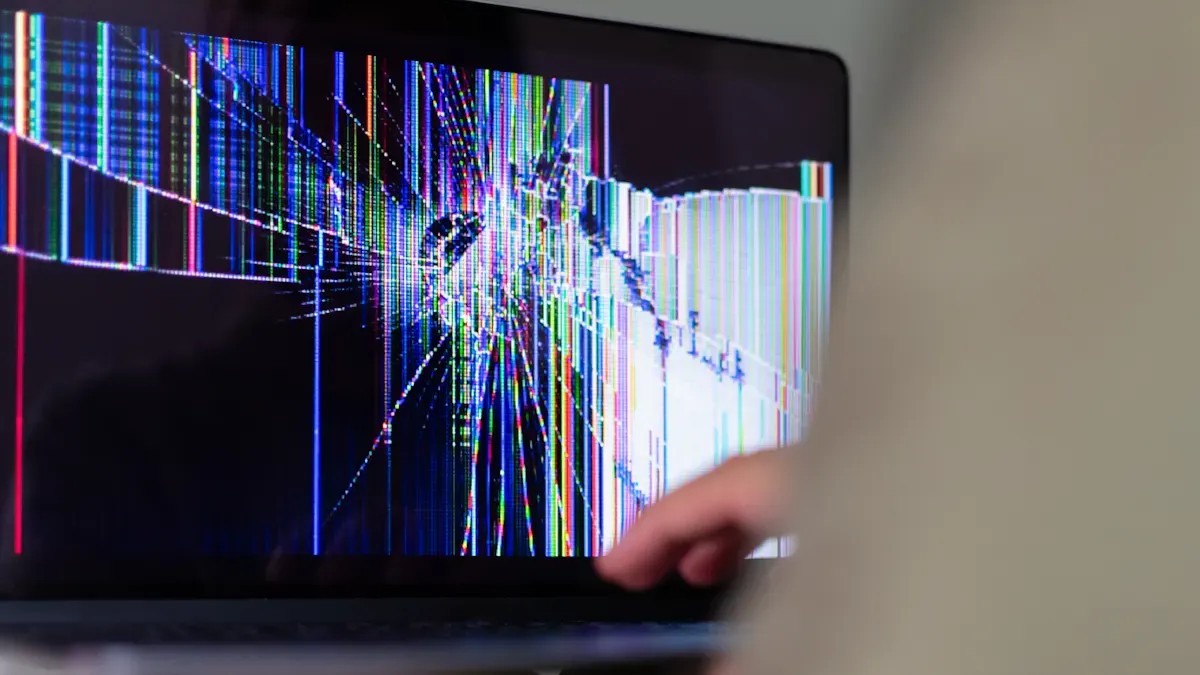
Selecting the right Graphic LCD modules directly affects device performance and user satisfaction. You need to consider display quality, resolution, interface, durability, energy efficiency, and compatibility. The table below shows how pixel control in active matrix displays delivers sharp images and fast response times, which improve user experience in consumer electronics.
|
Aspect |
Passive Matrix |
Active Matrix |
|---|---|---|
|
Image Quality |
Ghosting |
Sharp clarity |
|
Response Time |
Slow |
Fast |
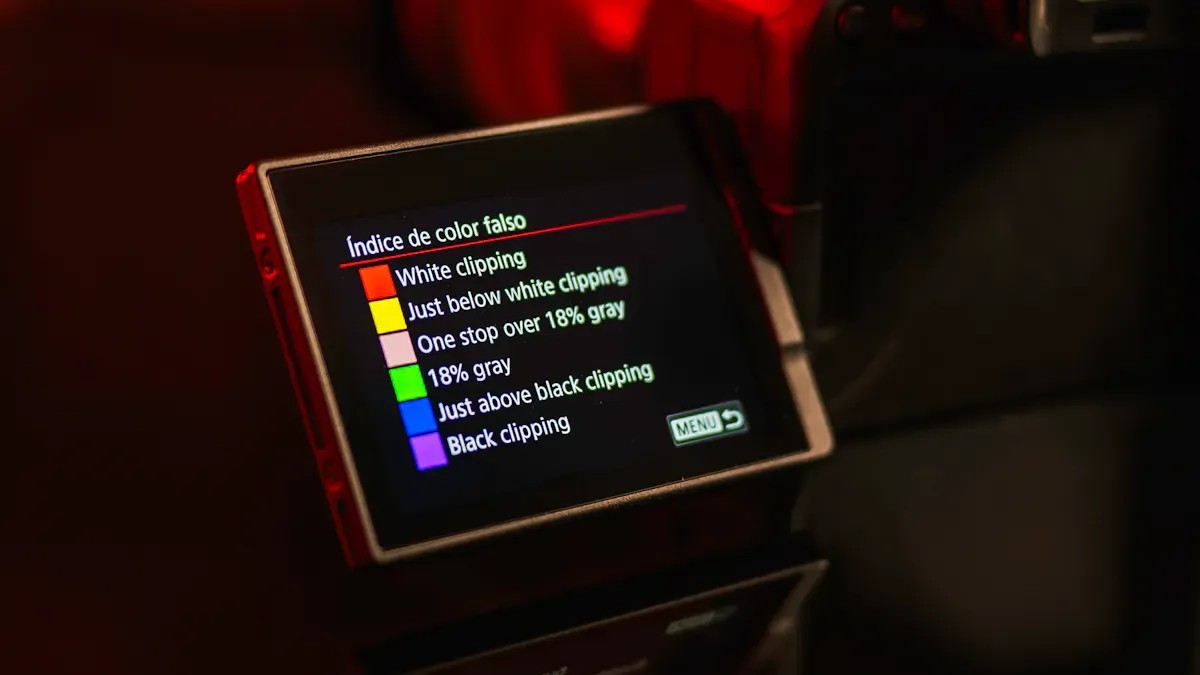
You encounter Graphic LCD modules in many modern devices. These modules use a grid of pixels to display images, text, and graphics. Each pixel sits at the intersection of conductive traces. When you apply voltage to a specific intersection, the liquid crystal aligns and modulates light. This process enables clear and precise visuals. You gain full pixel-level control, which allows you to create custom layouts and variable data displays. The technology supports both monochrome graphic LCD display module options and advanced modules with touch functionality. The table below explains the structure and function:
|
Aspect |
Description |
|---|---|
|
Definition |
Uses a pixel matrix to represent characters, symbols, or graphics |
|
Pixel Matrix Structure |
Individually addressable pixels formed by conductive traces |
|
Functionality |
Voltage at intersections aligns crystals for image and text display |
|
Flexibility |
Allows custom layouts and variable data displays |
Graphic LCD modules deliver high resolution and vibrant colors. You benefit from energy efficiency, which extends battery life in portable devices. The modules offer durability, making them reliable for everyday use. Interface versatility lets you integrate them into various systems. You can choose a graphic LCD module with touch for interactive applications or select a monochrome graphic LCD display module for simple, energy-saving designs. Many industries rely on these modules. You see them in:
Advanced medical devices
Industrial control panels
Consumer gadgets
Automotive dashboards
Wearable devices
If you need a custom graphic LCD module manufacturer, you can find solutions tailored to your requirements. Graphic LCD modules adapt to diverse environments and applications, making them a smart choice for your next project.
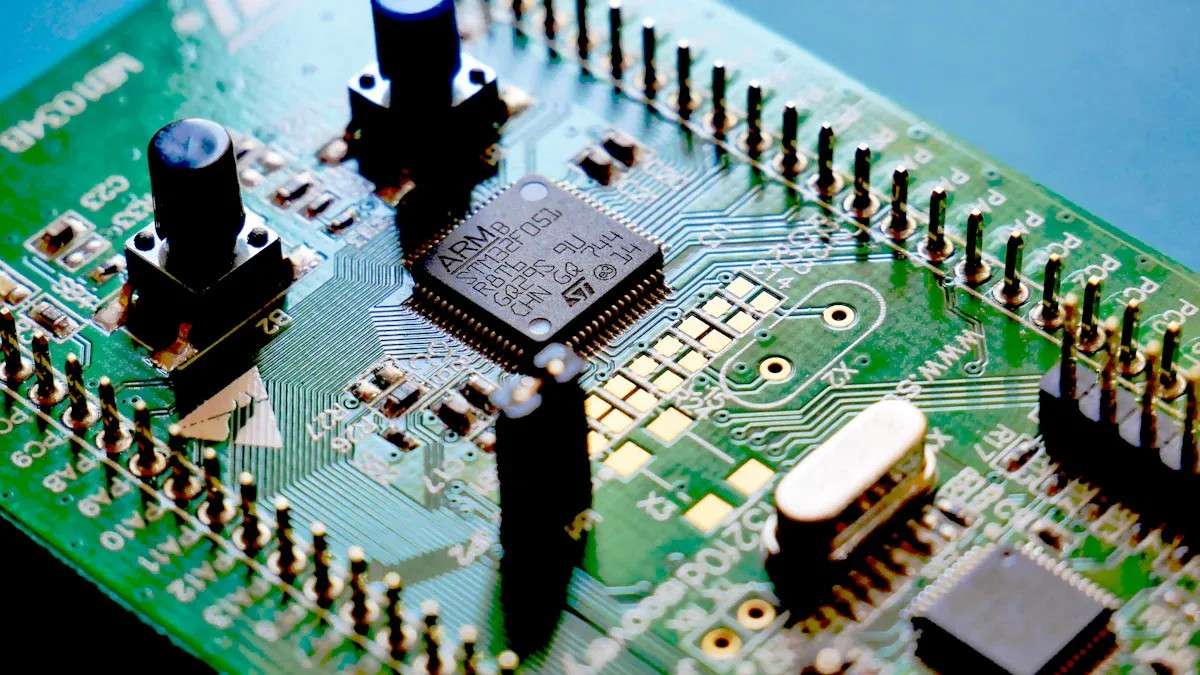
Choosing the right Graphic LCD modules for your application involves several important factors. Each criterion affects how well the display fits your device and environment. You should evaluate these aspects before making a decision.
You need to match the display size and resolution to your application’s requirements. Handheld devices often use compact modules with resolutions such as 64×64, 128×64, or 240×128 pixels. Larger equipment may require higher resolutions for detailed graphics. Manufacturers offer customization, so you can request a custom graphic LCD module manufacturer to tailor the module to your needs.
Common resolutions for Graphic LCD modules:
64×64
122×32
128×64
128×128
160×32
160×100
192×64
192×140
240×64
240×128
320×240
|
Resolution |
Pixel Dimensions |
Typical Use Case / Device Type |
|---|---|---|
|
QVGA |
320×240 |
Ultra-compact devices, legacy systems |
|
WQVGA |
480×272 |
Embedded applications, handhelds, IoT |
|
WVGA |
800×480 |
Industrial, automotive UIs, touch panels |
|
WXGA |
1280×800 |
Tablets, POS, advanced modules |
|
HD/FHD |
1280×720 / 1920×1080 |
Media-rich, diagnostic tools, HMI terminals |
Display resolution defines the number of pixels across the width and height. Higher pixel density gives you more detail and sharper images. This is especially important if your application displays complex graphics or small text. You should also consider the viewing distance and screen size. A higher resolution improves clarity, but only if the user can see the difference at the intended distance.
Tip: If your project requires simple icons or text, a monochrome graphic LCD display module with lower resolution may save power and cost.
The interface determines how your system communicates with the display. You should select an interface that matches your processor and application needs. Common interfaces for Graphic LCD modules include:
MCU (MPU): Simple, cost-effective, suitable for basic applications.
SPI: Uses fewer pins, ideal for compact devices.
TTL (RGB): Fast updates, good for automotive dashboards.
LVDS: Excellent anti-interference, reliable in noisy environments.
MIPI (DSI): High throughput, power efficient, perfect for mobile devices.
EDP: Integrates well with GPUs, supports advanced graphics.
The choice of interface affects integration, speed, and power consumption. For example, SPI works well in small, battery-powered devices, while LVDS provides stability in industrial settings with electromagnetic interference. Always check compatibility with your main controller and consider future upgrades.
You want your display to remain clear from different positions and under various lighting conditions. Viewing angle is critical, especially in automotive or shared displays. Automoti
ve dashboards require a minimum viewing angle of 178° to ensure both drivers and passengers can see the information.
Brightness also plays a key role in outdoor readability. Consistent brightness and uniformity help users read the display even in direct sunlight. Manufacturers test brightness under controlled conditions to guarantee performance across temperature changes.
|
Factor |
Description |
|---|---|
|
Viewing Angle |
Minimum 178° for automotive and shared displays |
|
Brightness Uniformity |
Ensures readability in bright outdoor environments |
|
Systematic Validation |
Manufacturers test for consistent performance in various conditions |
Note: If your device will be used outdoors or in vehicles, prioritize modules with high brightness and wide viewing angles.
Power efficiency extends battery life in portable devices. You should select Graphic LCD modules that balance performance and energy use. Monochrome graphic LCD display modules often consume less power, making them ideal for simple, always-on displays.
Durability ensures your display withstands harsh environments. Manufacturers follow standards like MIL-STD-810H, which includes tests for extreme temperatures, vibration, and shock. Reliability testing covers temperature cycling, humidity resistance, vibration, shock, ESD, UV exposure, and aging. Environmental factors such as temperature and humidity can affect performance. High humidity may cause corrosion or fogging, while low humidity increases static risks. Proper sealing and EMI shielding protect against moisture and electromagnetic interference, which can cause flickering or data errors.
|
Customization Option |
Description |
|---|---|
|
Dynamic text or symbols |
Flexible content display |
|
Higher resolution |
Detailed images and graphics |
|
Simple integration with microcontrollers |
Easy to implement dynamic content |
If you need a display for a rugged environment, ask your custom graphic LCD module manufacturer about available durability features. For interactive applications, consider a graphic LCD module with touch functionality. This adds user-friendly control while maintaining reliability.
Remember: Always match the module’s durability and efficiency to your application’s environment and usage patterns.
A monochrome graphic LCD display module shows images in one color. A graphic LCD module with touch lets you interact directly with the screen.
You can check reviews, request samples, and ask about certifications. Reliable manufacturers offer customization and support for your specific application.
Yes. Many modules feature rugged designs. You should ask your custom graphic LCD module manufacturer about durability and compatibility for industrial use.
Please read on, stay posted, subscribe, and we welcome you to tell us what you think.


Copyright © 2017 Guangdong Shengfeng Technology Co., Ltd. All Rights Reserved.Sitemap | Blog | Xml | Privacy Policy  Network Supported
 Language


 Call Us: