
search
What Are You Looking For?

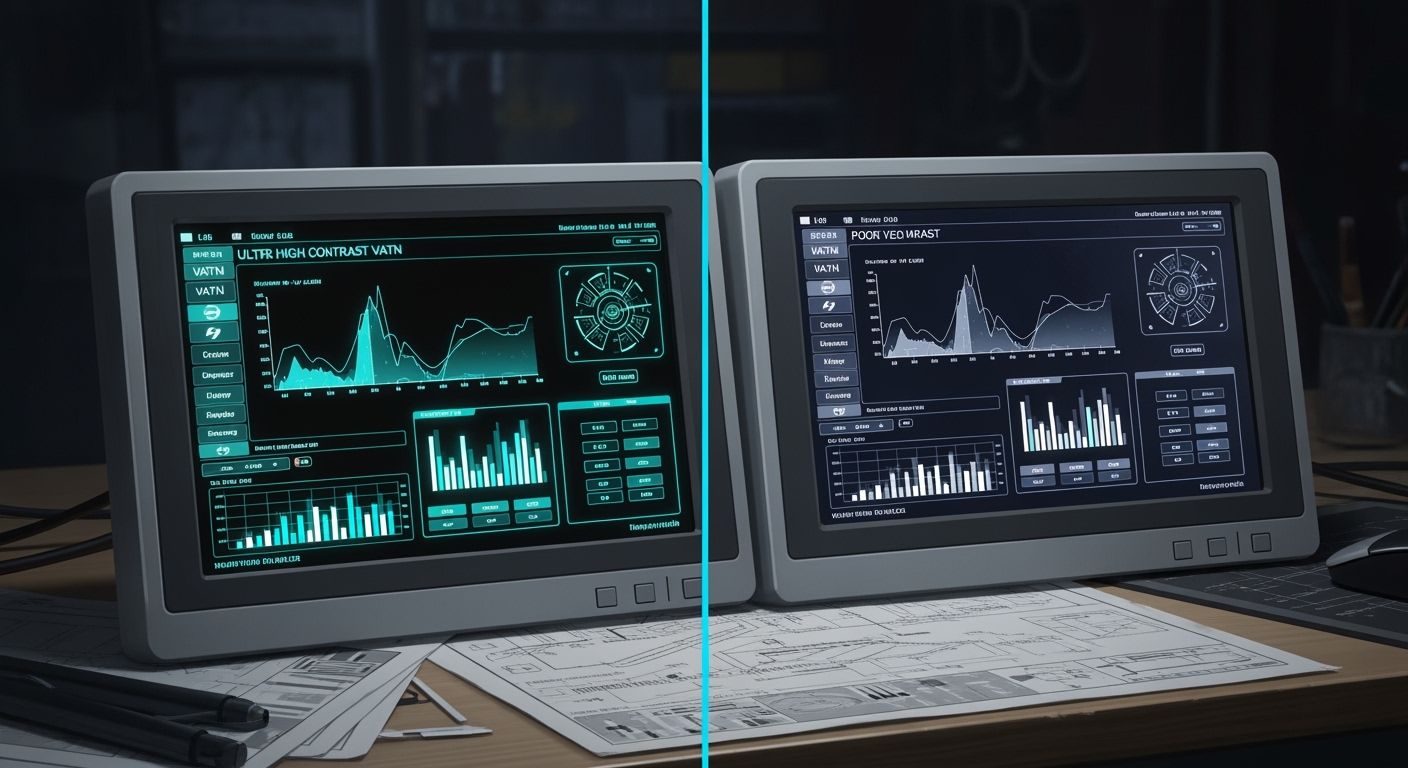
VATN LCD screens look great because they have deep black backgrounds, strong color differences, and wide viewing angles. On the other hand, TN LCD screens cost much less to buy and use very little power. Both types of screens work extremely well in bright sunlight and use little energy for simple black-and-white displays like medical devices and factory machines.
You need to pick the best screen to make the product easy to use while keeping building costs down. High-end devices need super clear displays, while mass-produced tools need batteries that last a very long time. This guide gives your design team clear rules for choosing the right screen size and look. You can quickly compare brightness, heat limits, and costs to choose the best simple screen for your next big project.
VATN LCDs provide deep real black backgrounds and high contrast for simple reading in harsh environments.
TN LCDs save project money with low unit costs and very cheap custom setup fees.
Reflective TN LCDs use very little power to help device batteries last longer during extended outdoor use.
VATN LCDs offer wide viewing angles, so workers see clear images without any color changes.
Designers need to weigh brightness, viewing directions, and overall costs prior to picking a display.

You need to check main hardware numbers when picking display panels for custom equipment cases. The table below shows the top visual and physical details for both screen styles.
|
Parameter |
VATN LCD |
TN LCD |
|---|---|---|
|
Contrast Ratio |
Up to 120:1 |
Typically 10:1 to 30:1 |
|
Viewing Angle Cone |
Wide (up to 120 degrees) |
Narrow (typically 60 degrees) |
|
Background State |
Deep True Black |
Light Gray or Greenish |
|
Temperature Range |
-30°C to +80°C |
-20°C to +70°C |
Vertical alignment displays hold liquid crystal molecules straight up against the clear glass layer. This special setup stops extra backlight from leaking through the screen. Because of this, you get a huge contrast ratio that goes over 100:1. The screen stays easy to read under bright indoor lights and normal daylight. Screen maker Shengfeng builds these parts using top-quality polarizers. These polarizers keep words looking sharp on busy user screens.
Normal twisted nematic screens look dark and blurry when workers view the display from side angles. The dark letters quickly fade into the light gray background color. In contrast, VATN LCD technology makes the viewing area much wider for everyone. Machine operators can easily check key system numbers from high, low, and side spots without any color changes.
Tough factory gear often works in rough outdoor spots with fast changing weather temperatures. Freezing winter cold thickens the liquid crystal fluid hidden inside normal screen panels. This slow fluid movement leaves faint blurry trails during quick screen changes. Newer vertical alignment glass uses thin liquid crystal mixes to keep fast response times in cold places.
Classic twisted nematic displays use very little electric power, which helps small batteries last a long time. Even so, modern vertical alignment glass stays clear while using little backlight power in dark rooms. You keep high energy savings without losing sharp text or wide heat limits on outdoor tools.
You build neat device cases by fitting high-contrast display glass right into dark plastic frames. A VATN LCD screen provides very low background light and a real black state. This true black surface blends smoothly with dark case materials for a high-end look. In comparison, regular twisted nematic screens show a clear grayish or greenish background light with low contrast. Top-quality vertical alignment glass reaches contrast ratios over 1000:1, so your active display shapes pop out with super clear details.
Great background darkness directly improves daily reading clarity in tough working places. Clear visual separation between active icons and dark spaces stops reading mistakes during quick jobs. This strong visual performance helps segment-heavy human-machine interfaces a lot:
Industrial automation equipment, where factory workers need fast visual answers.
Medical devices, where medical teams need clear health numbers right away.
Smart appliances, where high contrast boosts product style without big costs.
Detailed display screens show lots of info using multi-digit numbers, gauge lines, and mixed icons. Machine workers usually look at these control panels from sharp side angles instead of straight ahead. A VATN LCD part keeps wide viewing angles of ±60 degrees while holding contrast ratios above 15:1. Also, the vertical alignment viewing area at 12 o'clock goes past 60 degrees without color flipping. Your detailed screen layouts stay clear, sharp, and simple to read from many viewing spots.
This larger viewing space removes visual blur across big control boards. Smart rainbow-effect control keeps icon edges crisp on curved or tilted front panel styles. You get steady picture quality whether you put the display in car dashboards, gas pumps, or smart house controls. Field workers read key system status news fast without moving their body positions.
You save money right away when choosing a TN LCD screen for large factory assembly lines. Twisted nematic glass uses basic, well-tested building methods developed over many years of screen making. Factory plants build these standard single-color glass panels with high success rates and very little wasted material. As a result, your design team cuts total parts costs while keeping strong, working display screens across your whole product line.
Custom screen setup fees also stay very low for twisted nematic display glass designs. You easily buy special number areas, custom brand logos, unique status icons, and flexible pin hookups without spending huge upfront design funds. This price perk lets electronics teams build custom screen layouts for cheap power meters, smart home gadgets, and high-volume factory sensors without passing tough budget limits or project rules.
Twisted nematic display choices offer excellent power savings for small, battery-run hardware tools. A reflective glass design uses normal room light or bright outside sunlight to make screen icons look sharp and clear. Since your device works great without turning on a back light during regular daylight hours, your main circuit board uses tiny amounts of power during daily usage.
This small power need greatly extends total device battery life for outdoor tools and portable gear. Low power needs let mobile testing units, smart water meters, and wireless sensors work smoothly for long times on small coin batteries. You reduce regular repair visits, lower upkeep costs for buyers, and easily control total power use for battery-run product setups.
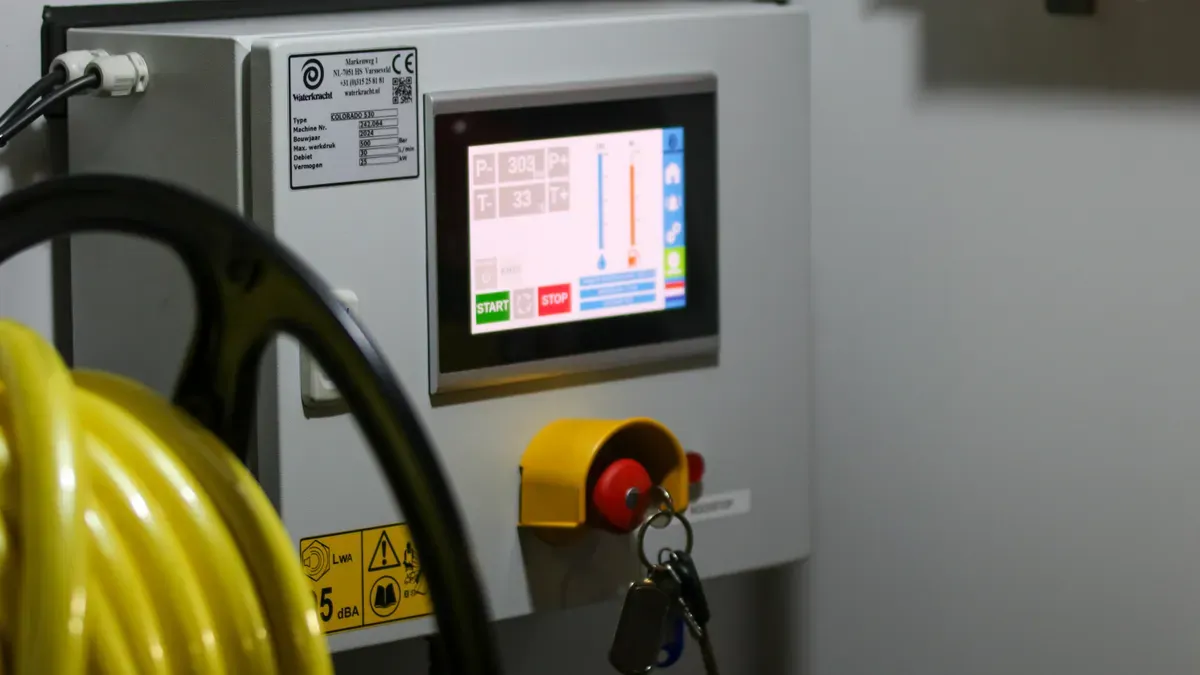
You need to check room lights and case styles early when designing new hardware tools. Top-tier device cases use smooth dark front covers to create a sleek modern look. Strong-contrast vertical alignment glass hides screen edges really well behind dark plastic borders. Deep black backgrounds help workers see details clearly inside dark factory buildings. This clean setup makes control boards look like expensive, high-quality gear. On the other hand, bright sunny spots let you use simple light-reflecting glass setups. Reflective display panels use natural daylight to show words clearly without wasting back light battery power during daytime hours.
You can follow a simple step-by-step decision plan to pick your best screen setup:
Test room light levels in every spot where workers will use the device.
Check battery power limits to balance screen backlight energy against battery life.
Find necessary viewing side angles for workers who stand up or sit down.
Count expected build numbers to check total custom glass screen factory costs.
Pair your outer plastic case frame color right with the screen background shade.
Total product build numbers strongly affect screen setup costs and single unit prices. Large-scale utility tools use standard twisted nematic screen setups to lower initial spending. Basic twisted nematic display glass needs simple, low-cost custom setup tools. You save lots of upfront design money when making thousands of smart water meters or basic field tools. Cheap custom screen layout tools let you tweak display shapes easily without breaking strict budget rules. This low price helps budget-focused hardware plans turn a good profit during big factory runs.
A VATN LCD screen works great for high-end medical tools and complex factory gear where clear reading matters most. Strong-contrast vertical alignment screens offer super clear reading across wide side angles without color shifts. Your design team makes higher custom glass setup costs worth it by showing key system details clearly to machine workers. Top medical monitors and smart building tools benefit right away from deep black backgrounds and crisp text. You balance unit costs, backlight battery use, and clear viewing needs to pick the best display glass for your new build.
You must carefully balance visual clarity against tight part budget limits for every product design. A VATN LCD offers superior image sharp readability, dark black backgrounds, and wide viewing angles for top-grade medical tools and multi-angle factory equipment. On the other hand, classic twisted nematic screens stay the perfect option for low-cost public utility gear and basic battery-run devices.
Ask for official maker test files listing real contrast numbers, and check sample screens from far side angles under true target room lights to confirm actual reading ease.
You shield your total project money and ensure clear screen quality by fully testing display details during early model building phases.
You get much higher contrast ratios up to 120:1 and deep black screen backgrounds. This layout grows your viewing angle cone up to 120 degrees without annoying color flips. Your gear users read key system digits easily from wide side spots.
You pick a TN LCD panel when your product needs super low unit prices and long battery life. Basic factory methods keep custom screen setup fees down. Reflective glass choices help outdoor field tools run well on small coin batteries.
A VATN LCD panel works well across cold and hot spots from -30°C to +80°C. Standard twisted nematic panels manage heat and cold from -20°C to +70°C. Thin liquid crystal mixes inside vertical alignment glass stop faint blurry trails when screens switch fast in freezing cold weather.
Yes. Vertical alignment technology holds liquid crystal molecules standing straight up. This special build keeps icon edges sharp past 60 degrees at the 12 o'clock viewing spot. Your users check detailed screen layouts without seeing sudden color shifts or heavy screen blur.
Please read on, stay posted, subscribe, and we welcome you to tell us what you think.


Copyright © 2017 Guangdong Shengfeng Technology Co., Ltd. All Rights Reserved.Sitemap | Blog | Xml | Privacy Policy  Network Supported
 Language


 Call Us: